Residential therapeutic education is most meaningful when academic instruction and personal development contribute to broader preparation for life.
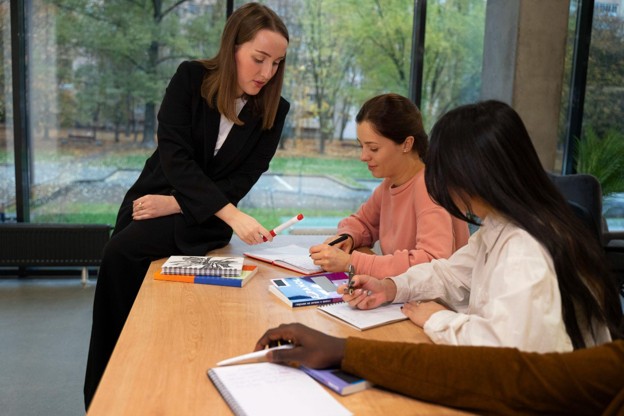
 Alpine Academy Utah Reviews
Residential therapeutic education is most meaningful when academic instruction and personal development contribute to broader preparation for life.
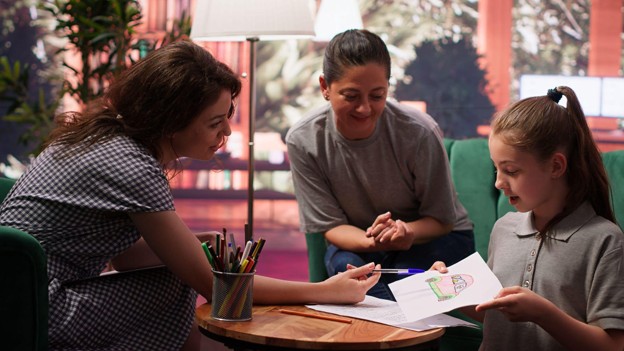
A family-style approach connects daily responsibilities, adult relationships, peer interactions, and practical learning within a structured household setting.
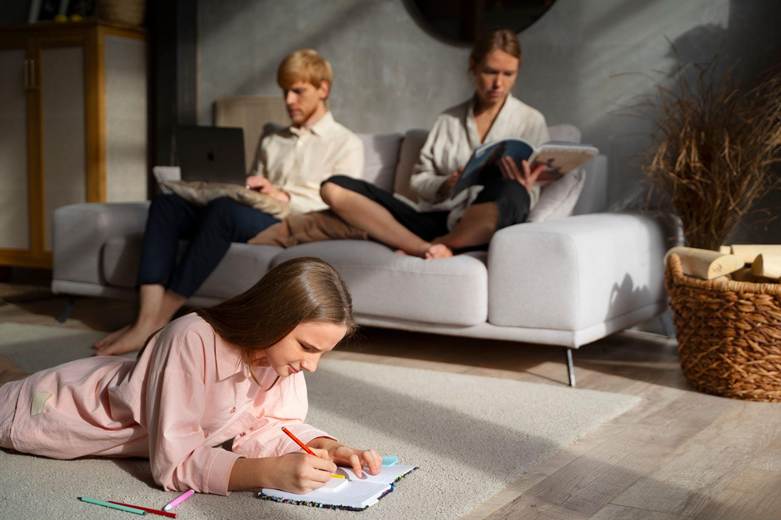
Daily life can become part of learning to use therapeutic skills in the situations where they will matter most.

Graduation is an important milestone, but preparation for life afterward cannot realistically begin during the final week.

Real growth is quiet. It’s not in dramatic breakthroughs, but in the steady rhythm of trying, learning, and recovering.

In the end, independence isn’t granted—it’s built. It grows quietly through trust, repetition, and reflection until it becomes second nature.

In the end, healing isn’t just about addressing challenges; it’s about rediscovering stability and belonging.

We discuss why celebrating small wins is crucial, and practical ways parents, educators, and coaches can foster this habit.

While technology is an indispensable part of modern life, its overuse during adolescence can have significant implications for attention, memory, and decision-making.

We discuss practical strategies to help teens navigate academic stress without compromising their well-being.