
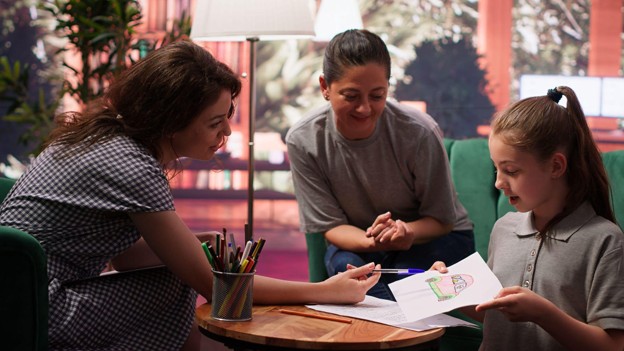
For adolescents receiving residential therapeutic support, the environment in which they live can influence their daily experiences. Families researching Alpine Academy Utah reviews may find it helpful to understand how family-style residential settings combine structured routines, consistent adult guidance, and opportunities to develop practical life skills.
Residential therapeutic education involves more than classroom instruction and scheduled counseling sessions. Students also navigate relationships, responsibilities, disagreements, and everyday decisions. A supportive living environment can provide opportunities to practice healthier communication and develop greater independence.
The Teaching Family Model offers one approach to integrating these experiences into daily residential life.
Understanding the Teaching Family Model
The Teaching Family Model is a structured approach to residential care that emphasizes supportive relationships, positive reinforcement, and practical skill development.
Rather than treating residential living as separate from therapeutic progress, the model recognizes everyday interactions as opportunities for learning.
Students may practice communication, emotional regulation, cooperation, and problem-solving through ordinary household experiences.
Alpine Academy uses this model within its residential program and holds national accreditation through the Teaching-Family Association.
The accreditation process involves established standards and evaluation criteria intended to support consistent implementation of the model.
This framework provides a foundation for combining daily guidance with individualized therapeutic services.
Why Family-Style Homes Create a Different Residential Experience
Traditional residential programs may organize students within larger institutional environments. Family-style residential settings take a different approach by creating smaller household communities.
Alpine Academy operates six family-style homes on their Mountain View campus and 3 homes on their Lakeview campus, each accommodating an average of 6-8 students.
These homes are designed to resemble everyday family living environments rather than conventional dormitories.
Students participate in shared routines, interact with peers, and receive guidance from adults responsible for supporting their development.
The smaller household structure can make it easier to establish predictable expectations and recognize individual needs.
It also provides opportunities for students to practice skills that remain relevant outside residential treatment.
The Importance of Consistent Adult Relationships
Consistency is an important consideration in residential therapeutic education.
Adolescents benefit from understanding who is responsible for providing guidance, addressing concerns, and maintaining household expectations.
Alpine Academy’s Teaching Family Model incorporates full-time staff members- some who live on-site and provide ongoing residential support.
Having familiar adults involved in everyday routines can support continuity in communication and behavioral expectations.
Staff members may also become more familiar with students’ individual strengths, challenges, and patterns of interaction.
Although consistent staffing cannot guarantee particular outcomes, it creates opportunities for relationships to develop through repeated daily experiences.
How Everyday Routines Become Learning Opportunities
Residential therapeutic programs often include structured schedules covering academic instruction, meals, recreation, personal responsibilities, and therapeutic activities.
Within a family-style setting, these routines can serve educational purposes beyond maintaining organization.
For example, preparing for school requires time management and personal responsibility.
Participating in shared household activities and chores encourages cooperation and consideration for others.
Managing disagreements provides opportunities to practice respectful communication.
Daily experiences may help students develop:
- Greater awareness of personal responsibilities
- More effective communication with peers and adults
- Improved problem-solving strategies
- Stronger organizational and time-management habits
- Greater consideration for shared household expectations
These skills are relevant to family relationships, future education, and independent living.
Supporting Emotional Development Through Positive Guidance
Adolescents receiving therapeutic services may experience difficulties managing emotions, responding to frustration, or navigating interpersonal disagreements.
A family-style residential environment provides repeated opportunities to practice alternative responses with adult guidance.
Staff members can help students recognize situations that create frustration and explore more constructive ways to respond.
Positive reinforcement may encourage appropriate communication, cooperation, and responsible decision-making.
The Teaching Family Model emphasizes teaching skills that allow students to replace unhealthy strategies with pro-social behaviors that increase their success.
This approach connects behavioral expectations with practical instruction.
Students can receive feedback about specific situations and apply what they learn during subsequent interactions.
Why Peer Relationships Matter in Residential Living
Peer relationships are another important part of the residential experience.
Living alongside other students requires cooperation, patience, and respect for personal boundaries.
Shared activities may also create opportunities to develop friendships and practice social skills.
However, disagreements are a normal possibility whenever individuals share a household.
Family-style programs can use these situations to teach constructive conflict resolution.
Students may learn to explain their concerns, listen to alternative perspectives, and identify reasonable compromises.
Staff guidance helps connect these experiences with broader developmental goals.
The objective is not to eliminate every disagreement but to help students approach interpersonal challenges more effectively.
Connecting Residential Living With Individualized Therapy
Residential support becomes more meaningful when it complements a student’s individualized therapeutic plan.
Alpine Academy provides therapeutic services through licensed counselors and clinicians, including individual, family, peer-group, specialty-group, and equine therapy.
These services address different aspects of emotional and interpersonal development.
Individual counseling provides opportunities to explore personal barriers to healthy living.
Group settings may support communication and social learning.
Family therapy can help students and their relatives examine relationship patterns and develop healthier approaches for interaction.
Residential staff can reinforce appropriate skills through everyday guidance, while clinical professionals remain responsible for therapeutic assessment and treatment.
Keeping Families Involved in the Therapeutic Process
Family participation is an important component of Alpine Academy’s individualized approach.
The program incorporates students’ immediate families into therapeutic work on a weekly basis.
This involvement recognizes that residential progress should not exist independently of relationships at home.
Families may need opportunities to understand developing skills, discuss communication challenges, and prepare for future transitions.
Regular participation can also help parents and caregivers become familiar with strategies students are practicing.
The process supports greater consistency between the residential environment and the home setting.
However, every family’s circumstances are different, and therapeutic planning should reflect those individual needs.
Balancing Structure With Growing Independence
A structured environment should provide guidance while allowing appropriate opportunities for personal responsibility.
Adolescents preparing for adulthood need experience making decisions, managing commitments, and understanding consequences.
Family-style residential living can introduce these responsibilities gradually.
Students may practice organizing personal belongings, managing schedules, completing assignments, and participating in shared household expectations.
As students develop, opportunities for independence can become increasingly important.
Alpine Academy also offers its ASPIRE Model for students approaching graduation, emphasizing additional responsibility and preparation for independent living.
This reflects the broader importance of connecting daily skill development with future expectations.
Creating a Supportive Environment Beyond the Home
Residential development also depends on opportunities outside the household.
Alpine Academy’s campus includes academic facilities, therapeutic spaces, recreational areas, and indoor and outdoor riding arenas.
These resources provide settings for education, physical activity, and structured experiences.
Recreational opportunities can complement household routines by encouraging teamwork, participation, and healthy interests.
Alpine Academy’s location near the Rocky Mountains also provides a distinctive natural setting.
Although facilities and surroundings do not determine therapeutic outcomes, they contribute to the environment in which students participate in daily activities.
Preparing Students for Life After Residential Education
The value of residential skill development becomes particularly important when students prepare to leave a structured program.
Skills practiced in family-style homes may remain relevant when students return to their families, continue their education, or pursue greater independence.
Maintaining routines, communicating respectfully, and managing responsibilities can support these transitions.
Alpine Academy provides an aftercare program offering therapeutic resources and guidance for one year following graduation at no additional charge.
This continued support recognizes that adjustment does not necessarily end when residential enrollment concludes.
Students and families may benefit from ongoing opportunities to reinforce skills and address emerging challenges.
Why the Residential Environment Deserves Careful Consideration
Families evaluating therapeutic education programs often focus on clinical services, academic opportunities, and accreditation.
The residential living model deserves similar attention because students spend substantial time outside classrooms and counseling sessions.
A family-style approach connects daily responsibilities, adult relationships, peer interactions, and practical learning within a structured household setting.
Alpine Academy’s use of the Teaching Family Model reflects an emphasis on integrating residential experiences with individualized therapeutic support.
For families exploring available options, understanding how a program approaches everyday living can provide valuable context.
A carefully structured residential environment cannot promise specific results, but it can create meaningful opportunities for adolescents to practice communication, develop responsibility, and prepare for future challenges.
